
Furniture is made to be lived with, but how it is positioned, handled and cared for can make a significant difference to how well it ages.
At Staged Homes, our furniture, artwork and accessories move through different Melbourne properties throughout the year. From sofas and dining tables to rugs, cushions, artwork and decorative pieces, maintaining our collection is an important part of delivering a consistently professional presentation.
While a staged home and an everyday home are very different environments, many of the same principles we use to look after our collection can help homeowners protect their own interiors.
Sunlight Can Be Beautiful — But Consider Its Impact
Natural light is one of the features we love working with when styling a property. It can make rooms feel larger, highlight architectural details and create beautiful conditions for real estate photography.
However, prolonged exposure to sunlight can gradually affect furniture and interior finishes.
Fabrics may fade, timber can change colour, artwork can lose vibrancy and certain finishes can deteriorate over time. The effect is often gradual, which means it may not become noticeable until furniture is moved and a protected section reveals the original colour underneath.
This is particularly worth considering in Melbourne homes with large windows, north- or west-facing rooms, or furniture positioned close to glazing.
Think About Where Furniture Is Positioned
Good furniture placement isn’t only about how a room looks.
Where possible, avoid leaving particularly delicate fabrics, artwork or timber pieces in strong direct sunlight for extended periods. Even relatively small changes to furniture placement can help reduce continuous exposure.
For our staging projects, positioning is carefully considered to achieve the best balance between presentation, functionality, photography and the individual characteristics of the property.
At home, periodically rotating occasional chairs, rugs, cushions and decorative pieces can also help prevent one area receiving significantly more exposure or wear than another.
Protect Fabrics and Upholstery
Different materials require different types of care, so always follow the manufacturer’s cleaning recommendations where available.
Regular vacuuming can prevent dust and particles from settling deeply into upholstery, while quickly attending to spills can reduce the likelihood of permanent staining.
For cushions, occasional rotation and reshaping can also help them retain their form and prevent uneven wear.
These small habits become particularly important when looking after a large furniture collection. Our staging pieces are repeatedly installed, photographed, packed and moved, so maintaining their condition requires ongoing attention rather than waiting until something visibly needs repairing.
Take Care When Moving Furniture
Some of the most noticeable furniture damage doesn’t happen while a piece is being used — it happens while it’s being moved.
Dragging furniture can damage legs, frames and flooring. Artwork can be scratched when incorrectly stacked, while timber surfaces can easily pick up marks during transport.
This is one reason Staged Homes operates with our own installation and logistics team. Our furniture is handled throughout the process by a team familiar with the collection, from our warehouse to installation and eventually back again.
For homeowners, the same principle applies: lift rather than drag where practical, protect corners and surfaces during a move, and avoid placing decorative objects directly against furniture where they could scratch the finish.
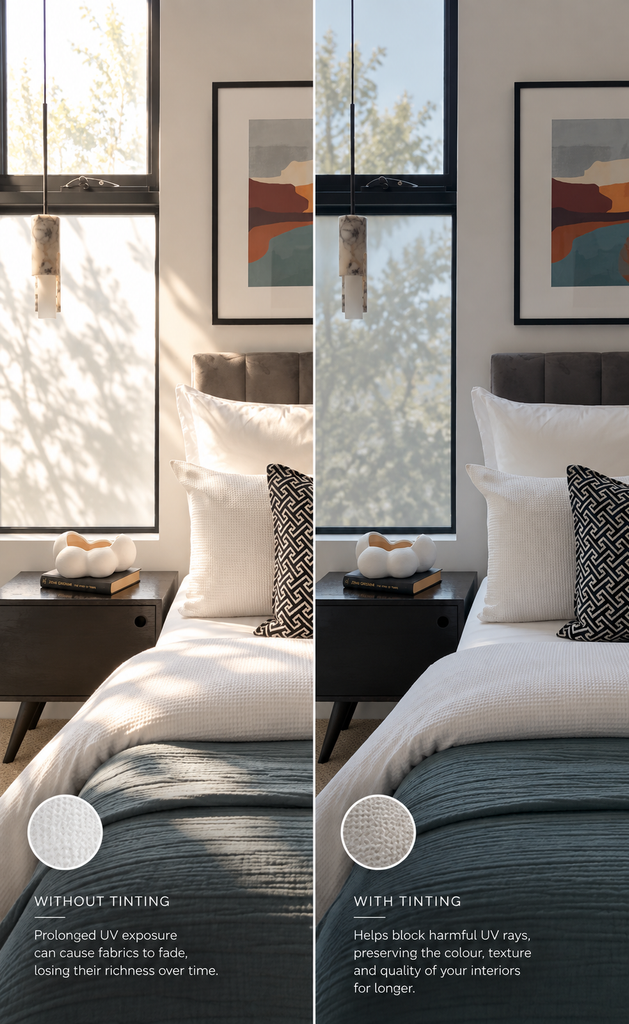
Consider UV Protection in Highly Exposed Rooms
Curtains, blinds and thoughtful furniture positioning are straightforward ways of controlling sunlight, but they aren’t always practical when you want to maintain an open, light-filled room.
For homes with significant sun exposure, professionally installed UV-protective window film or window coatings can be another consideration. Depending on the product, window film can help reduce UV exposure while also addressing heat and glare, without requiring homeowners to keep curtains or blinds closed throughout the day.
This can be particularly relevant for rooms containing timber furniture, flooring, artwork, rugs and upholstered pieces that receive regular direct sunlight.
For more information about this option, UV Window Coatings provides information on residential window tinting and UV protection for Melbourne homes.
Don’t Forget Artwork, Rugs and Accessories
Furniture tends to receive most of the attention, but the smaller pieces within an interior can be equally susceptible to wear.
Artwork should be considered carefully when positioned opposite or beside highly exposed windows. Rugs can be rotated periodically to encourage more even wear and colour exposure, while decorative objects should be lifted rather than slid across timber, stone or painted surfaces.
These details matter in property staging because the overall impression of a room comes from the collection as a whole. A beautifully maintained sofa can still be let down by a tired rug, damaged artwork or poorly presented accessories.
Preservation Comes Down to Consistent Care
There isn’t one single solution for keeping furniture looking its best.
It is usually a combination of thoughtful placement, careful handling, appropriate cleaning, protection from excessive sunlight and addressing small signs of wear before they become larger problems.
For us, preserving our staging collection means our furniture can continue to present beautifully across different properties and different styles. For homeowners, those same habits can help furniture, artwork and interior finishes retain their appearance for longer.
And when it comes time to sell, well-maintained interiors also provide a stronger foundation for professional property styling — allowing the home’s existing features and the styling around them to work together.elbourne