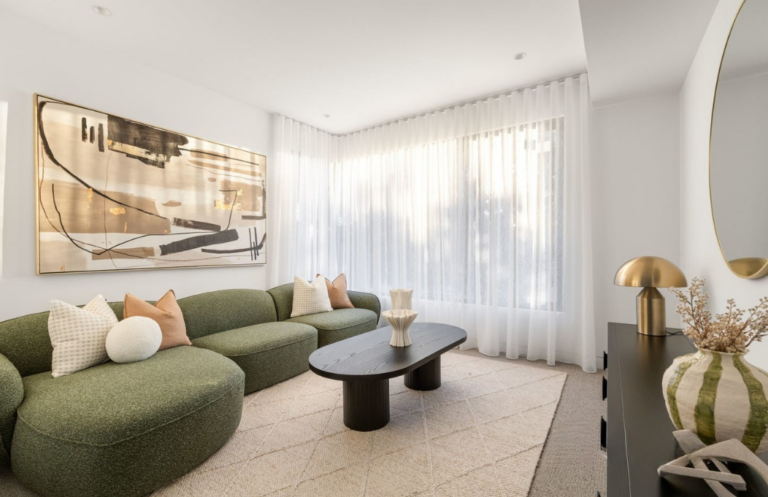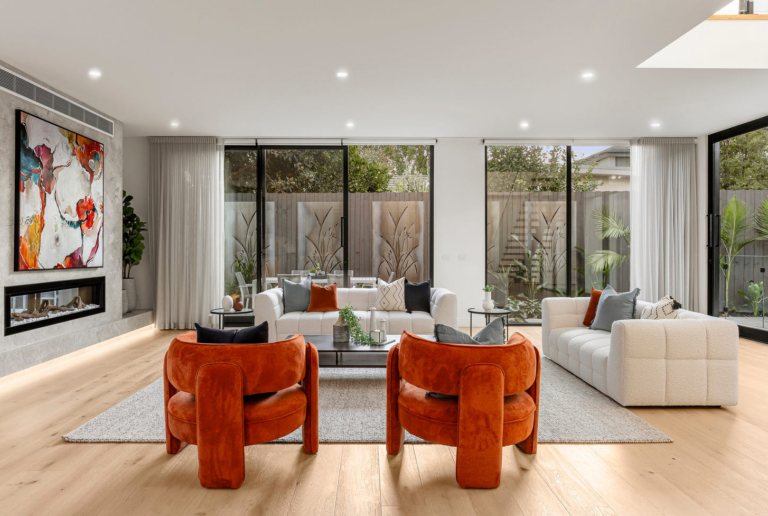
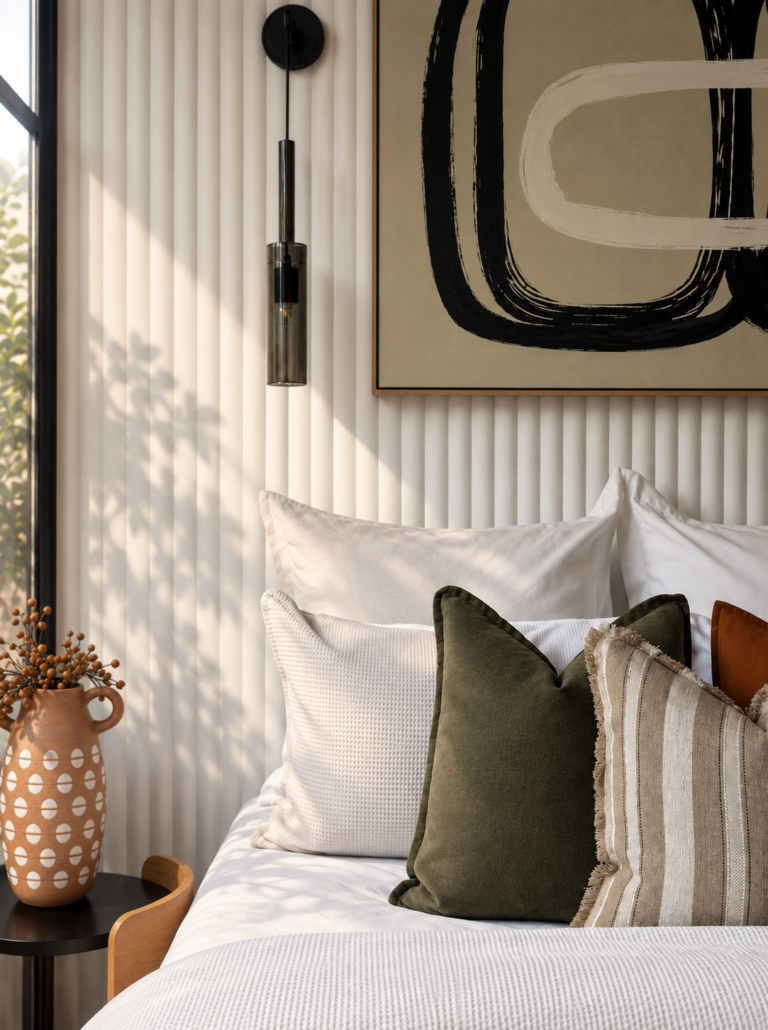
How to Preserve Furniture: Lessons from a Property Staging Collection
Furniture is made to be lived with, but how it is positioned, handled and cared for can make a significant difference to how well it ages.
Insights, design philosophies, and strategic property styling advice from Melbourne’s premier home staging experts.
Welcome to the Staged Homes Journal—a curated space where high-end interior design meets the art of strategic real estate marketing. Here, we share industry secrets, seasonal trends, and proven presentation techniques to help you elevate your property’s market presence, captivate premium buyers, and secure an exceptional return on investment.
Furniture is made to be lived with, but how it is positioned, handled and cared for can make a significant difference to how well it ages.
Selling a home can be one of the biggest financial decisions you might ever make. How you present it can make the difference between a faster sale at a premium price, and months of price reductions. Whether you are selling a period home in the inner east or a modern apartment in the CBD, preparation is not optional. It is strategy.
If you’ve been thinking about putting your home on sale in Melbourne, you would have likely come across the term home staging more than once. But what does it actually involve, and does it genuinely make a difference to your sale price and time on market?Behind many of these interiors lies one simple design principle used by stylists around the world: the Rule of Three.
One of the things we love about styling homes along the Mornington Peninsula is the variety. A beach house in Dromana can feel completely different from the property next door.
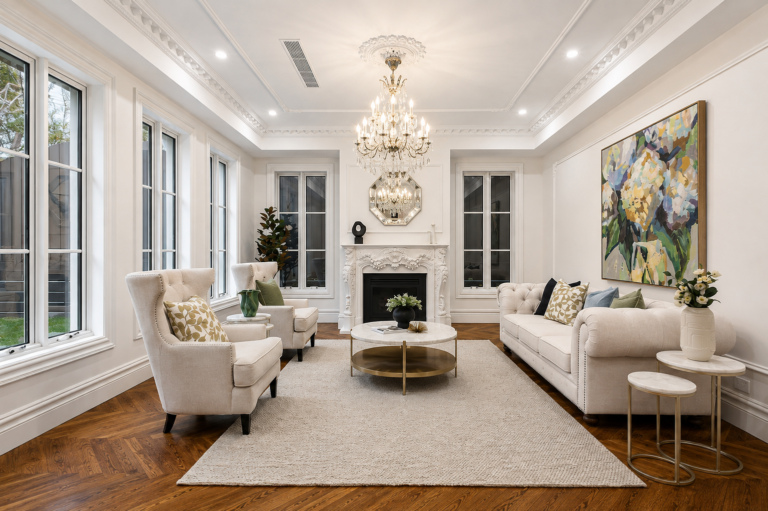
Many people assume it’s about adding more—more furniture, more décor, more expensive pieces. In reality, it’s often the opposite. The best luxury staging knows when to step back and let the home speak for itself.
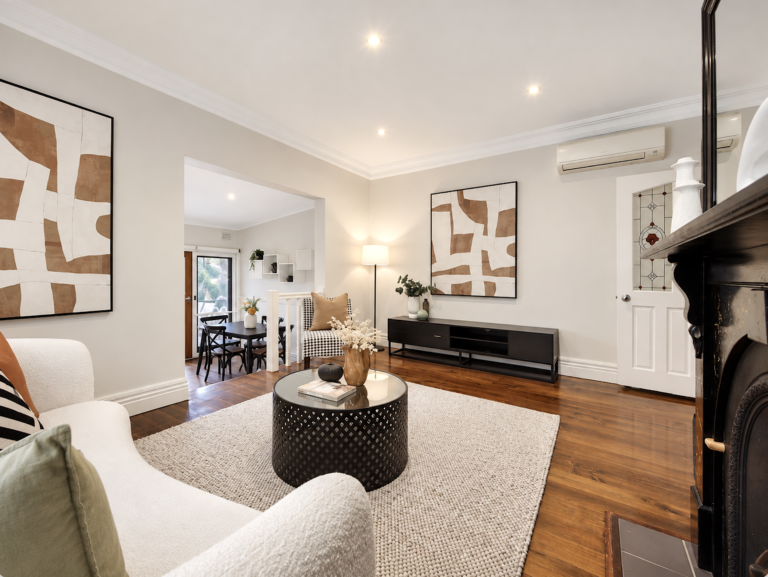
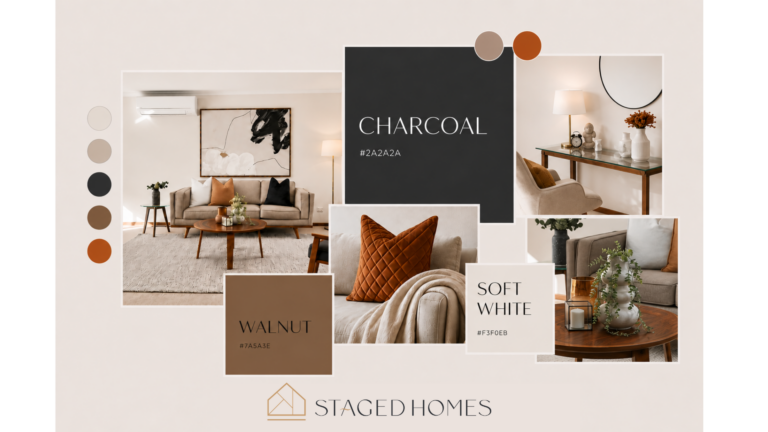
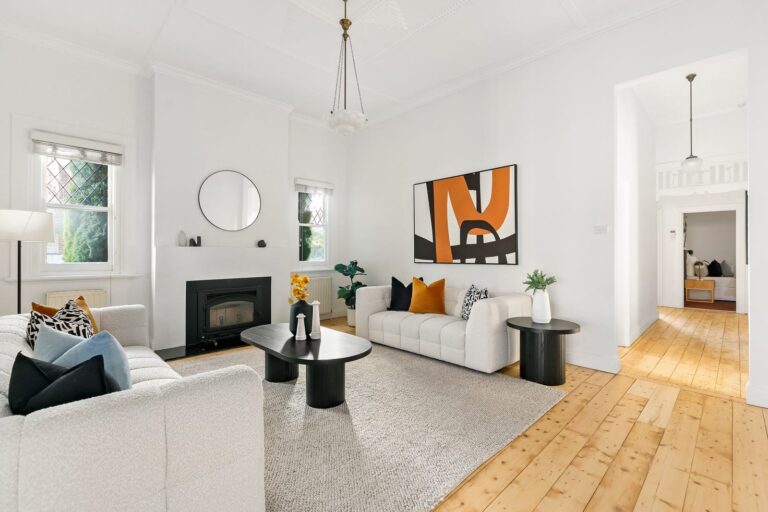
For our recent property staging project on Harrison Street, in Mitcham, the approach was about working with the home’s existing character rather than trying to disguise it. Warm timber window frames, generous natural light and an established neutral interior gave us the foundation for a styling scheme that feels relaxed, warm and considered.
Walk into almost any professionally styled home and you may not immediately notice what makes it feel so balanced. The colours are calming, the furniture feels effortless, and every space appears thoughtfully composed.
Behind many of these interiors lies one simple design principle used by stylists around the world: the Rule of Three.
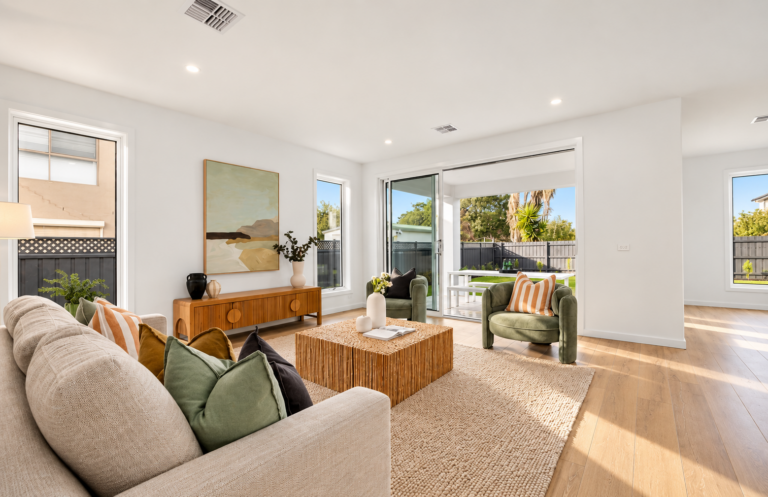
The most memorable interiors aren’t necessarily the ones with the most furniture or the boldest colours. They’re the spaces that feel balanced, intentional and easy to live in. Great property styling is about creating harmony between architecture, furnishings and light, allowing each element to complement the next rather than compete for attention.
In real estate, time is quite literally money. The longer a property languishes on the market, the more its perceived value drops, often forcing vendors into costly price reductions. Fortunately, data shows there is a direct antidote to stagnant listings: impeccable presentation.
When it comes to selling luxury real estate, buyers aren’t just purchasing a property—they are investing in a lifestyle. In a competitive property market, creating an immediate emotional connection is the secret to driving competitive bidding and securing a premium sale price.
A common misconception about property staging is that it is simply about making a house look “pretty.” In reality, high-end property styling is a sophisticated blend of interior design and target market psychology. To achieve the best financial outcome, a home must be styled specifically for the demographic most likely to buy it.